
The Conversion of St. Ignatius
Read Time: 3.5 minutes
The story of St. Ignatius of Loyola, founder of the Society of Jesus, is well known in the Roman Catholic Church. What is less well known is his conversion story. As a young soldier, he was ambitious and proud. In the year 1521, a cannonball shattered his leg. During his long recovery at Loyola, became bored lying in bed all day and asked for something to read. He quickly ran out of romantic stories of chivalry and heroes. The only books he was able to get to read were about Christ and the saints. That experience began a conversion experience that changed his life.
However, Ignatius’ conversion did not happen immediately. It happened slowly and almost imperceptibly. Like many people, his conversion was not an event; it was a process of learning, realizations, intense prayer and contemplation, and many falls and setbacks. Even after choosing to serve God, he was still driven by pride and willpower. The experience caused him joy and suffering in equal measure.
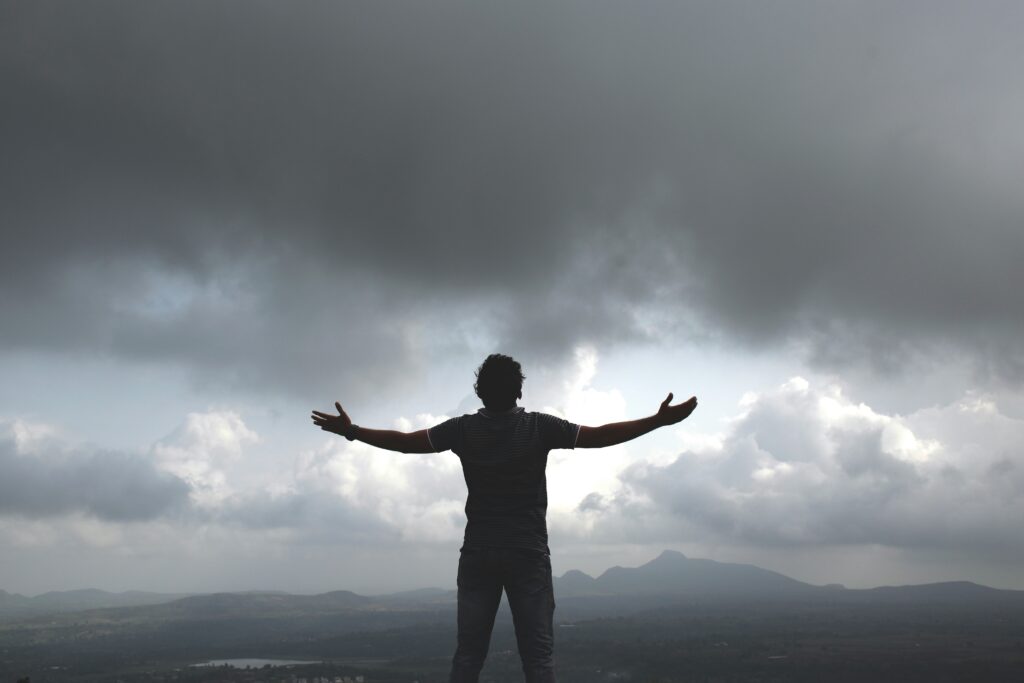
Ignatius finally reached a breaking point. He stopped trying to control everything and surrendered to God. That surrender changed him. At Pamplona he refused to surrender, and lost. It led him to give himself to God and he found new life.
The journey to faith is not about controlling our journey. We must do our part, but real change comes from God. He learned that we cannot change ourselves; it is the Holy Spirit working in us that makes the change happen. We may feel nothing, but that does not mean that nothing is happening. Suddenly, we realize that something has changed in us and we see things differently. Ignatius discovered that pride limits us, while gratitude opens us to grace.
Ignatius’ surrender experience happened because of the consistent daily prayer in which he engaged during this journey. He collected his insights, prayers, and suggestions in his book the Spiritual Exercises, one of the most influential books on the spiritual life ever written. In it he describes a method of prayer and silent contemplation that can lead to a closer relationship with Jesus. One engages all the senses and mind when reading scripture, then ask God to help us understand His will, and sit in silence letting the Holy Spirit do what the Spirit does. Something might happen; a sudden insight, realization, or image. Or nothing may happen. But, over time things change.
St. Paul calls us to leave behind the “old self” and be renewed in God’s image (Col 3:5). Ignatius understood this deeply. He had learned that vanity keeps us trapped, but truth leads us toward freedom.
His message is still clear: the spiritual life is not a “self-help” project. Christ is the way, the life and the truth. The Holy Spirit is the guide. And the truth will set you free.